Heart-Plus (Cardisiography) – a modern, AI-supported method for early detection
Heart disease is the leading cause of death in Germany, and the insidious thing about it is that many people affected show no symptoms at all until a heart attack occurs. With Cardisiography, we at SmartPraxis now offer you a way to change this—quickly, painlessly, and with the precision of modern AI.
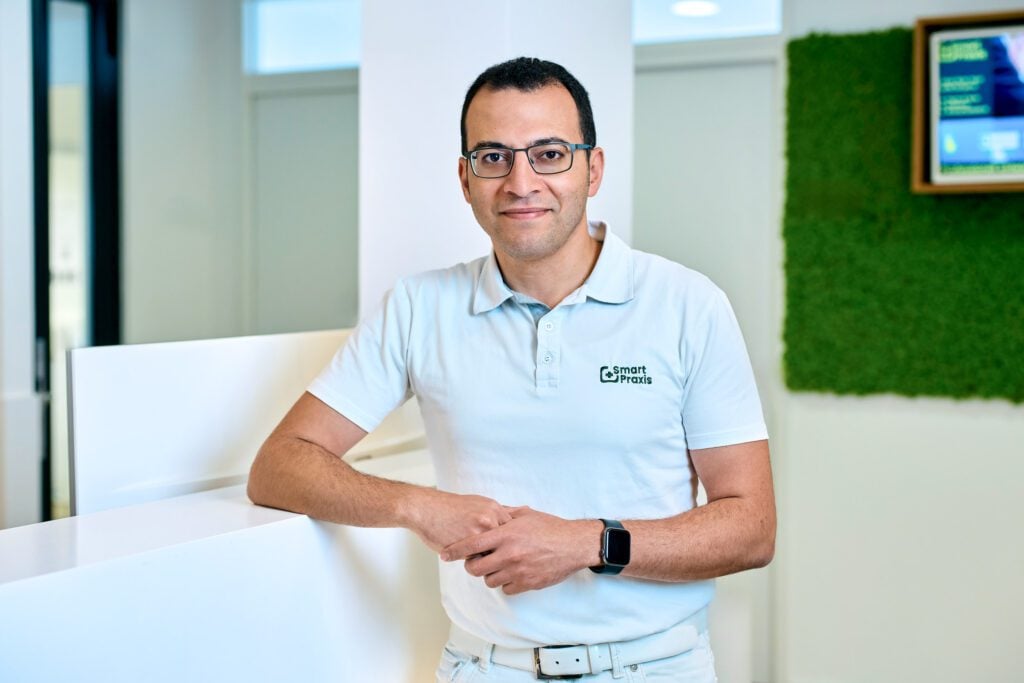
"As a general practitioner, cardisiography provides me with a tool that was previously available only in specialized cardiology. It allows me to quickly reassure my patients—or take the right steps in good time."
Dr. med. Ahmad Sirfy
Why we have added cardisiography to our range of services
For us, prevention means staying one step ahead—even when it comes to our own equipment. With cardisiography, we are expanding our diagnostic capabilities to include a procedure that elevates cardiac screening to a new level: it combines the simplicity of an ECG with the depth of a three-dimensional analysis—entirely without stress tests, contrast agents, or risk. For us, this fits seamlessly into our philosophy: we employ technology where it delivers genuine added value for you. Not as a gimmick, but as a tool that gives us more time for what truly matters—the personal conversation with you.
What is cardisiography – and what makes it better than an ECG?
Until now, the simple assessment of heart conditions was hardly possible or required significant effort. Cardisiography is the first method to reliably detect heart disease using artificial intelligence. It enables an effective check-up of your heart—and does so… Simple, fast, and precise.
An ECG, for instance, is of only limited diagnostic value when it comes to detecting circulatory disorders in the heart muscle. Cardisiography, on the other hand, is as easy to use as an ECG but measures the heart muscle in three-dimensional space. The measured values are analyzed using a special computer algorithm based on artificial intelligence capabilities. This analysis quickly clarifies whether the heart is diseased or whether there is a risk of a heart attack.
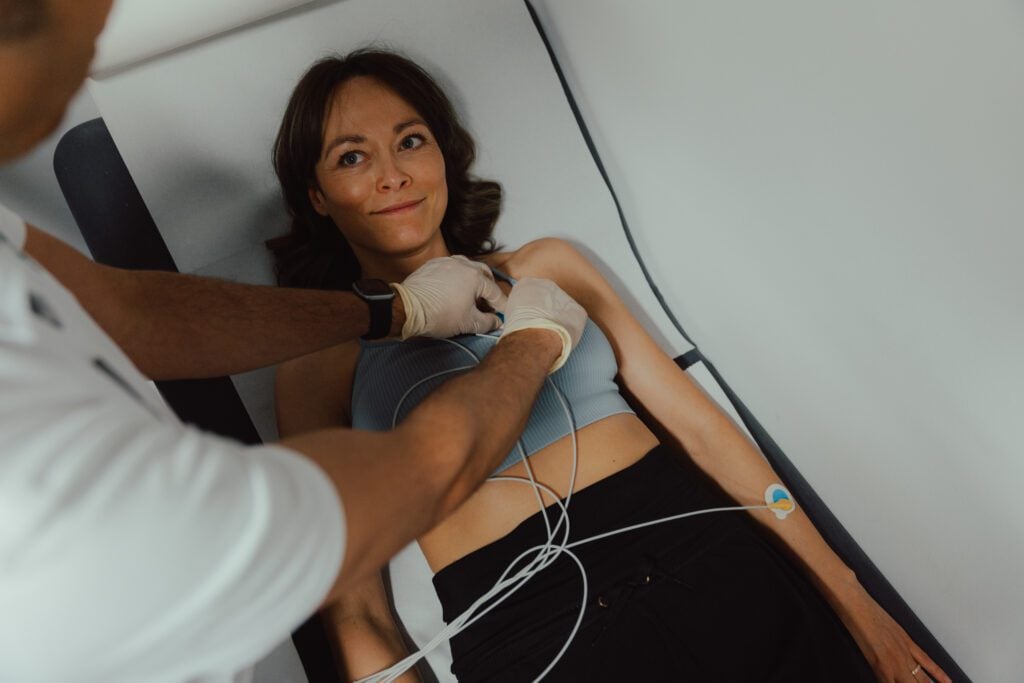
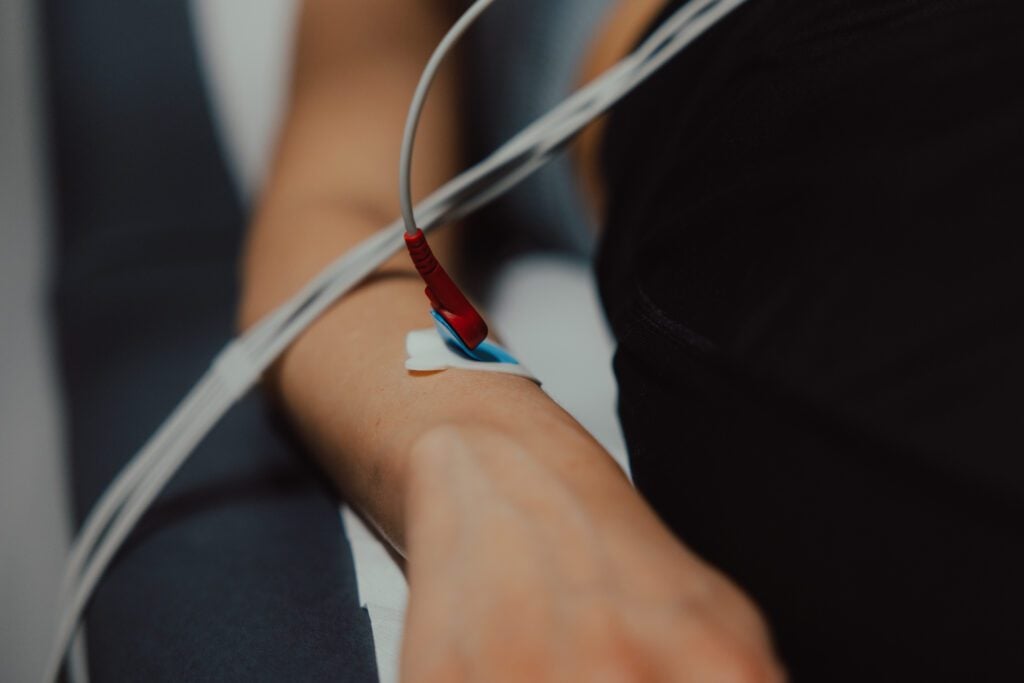
Cardisiography is non-invasive. – for the screening, electrodes are simply attached to the body. No needles, no injections, no exertion on an ergometer. This makes it low-risk and suitable for any adult, regardless of age or health status.
Most affected individuals are symptom-free until they suffer a heart attack, or are only diagnosed once they already exhibit severe symptoms. Cardisiography makes it possible to assess the risk of a heart attack for anyone. This way, you can keep an eye on your heart health easily and without much effort.
Your data remains protected.
Cardisiography also sets standards for data protection: only data necessary for the analysis—such as age and weight—is collected. Other personal details, such as name or address, are not included in the analysis and remain exclusively with us at the practice.
What does an abnormal finding mean?
Important to note: Even with a red result, it is not… …an acute emergency—for that is precisely the purpose of early detection. An abnormal result means we can take action now, before the situation becomes critical. In such cases, we refer you directly for the appropriate specialized diagnostic testing—such as a cardiac MRI. Timely diagnosis and targeted treatment can prevent serious consequences like a heart attack or reduce the risk of them occurring.
Here is how your cardisiography at SmartPraxis works.
Step 1 – Preliminary discussion
Duration approx. 5 minutes
A trained person will explain the procedure and the screening process to you. We will answer your questions and discuss your medical history.
Step 2 - Measurement
Duration approx. 5 minutes
Electrodes are attached to your body, similar to an ECG. You sit as still as possible and wait.
Step 3 – Evaluation & Result
Duration approx. 15 minutes
Your parameters are entered into the cardisiograph. Your result is available within a few minutes, and we discuss it with you.
Step 4 – Your personalized roadmap
Duration as required
What sets us apart is that we do not leave you alone with the results. If the findings are normal, we discuss how to keep your heart healthy. If any abnormalities are detected, we immediately coordinate the next steps—such as a referral to a specialist, further diagnostic testing, or integration into your personal preventive care plan.
Why heart health screening is so important
The heart is a vital organ. With 100,000 beats per day, it performs at its peak every single day. Heart disease affects the entire body. Statistically speaking, in a person’s life, the heart works for approximately 100,000 hours. …the heart does not function as it should in one in three men and one in five women.
Typical symptoms
Chest pain, nausea, back pain, shortness of breath, fatigue, heart pain
Causes & Risks
Possible consequences
Sudden cardiac death, heart attack, general heart diseases
The problem: Detecting heart issues at an early stage is difficult. Symptoms are often ambiguous, frequently appearing and disappearing. Cardisiography provides a sound assessment and helps identify elevated risk early on.
For whom is cardisiography particularly useful?
- You have vague symptoms—fatigue, occasional shortness of breath, back pain—and are wondering: Should I see a doctor about this? Is it serious or not?
- You are physically active and want to know: Could something happen to me during strenuous exertion—whether running a marathon, working out at the gym, or cycling?
- You have risk factors—high blood pressure, diabetes, excess weight, smoking, or a family history—and want to take proactive preventive measures.
- You would like a comprehensive check-up that goes beyond the standard ECG.

Heart health screening as part of your personal health plan
At our practice, cardisiography is not a standalone service but rather integrates into our holistic preventive care concept. Depending on your individual situation, it can be ideally combined with:
- Check-ups & Preventive Care – Incorporate Cardisiography into your regular health check-up with us.
- Sports medical consultation – Cardisiography offers a valuable supplement to sports medical examinations, particularly for ambitious athletes.
- Nutritional and Preventive Medicine – Heart health begins with lifestyle. We provide holistic advice – from nutrition to physical activity.
- GP-centered care (HZV) – As your primary practice, we keep an eye on your test results and coordinate any further steps as needed.
Costs & Billing
Cardisiography
3D vector ECG with AI analysis-
€79 for statutory health insurance patients paying out-of-pocket
-
Approximately €118 for privately insured individuals
Medical consultation
to the result-
included for statutory health insurance patients
-
otherwise in accordance with the GOÄ*
*Cardisiography is billed in accordance with the Scale of Fees for Physicians (GOÄ).
- Patients with private health insurance or supplementary insurance: Costs are generally reimbursed in full or in part.
- Patients with statutory health insurance: Some statutory health insurance funds already cover cardisiography under contracts for structured care (HZV). Please feel free to check with your insurance provider—we would be happy to assist you with this. Alternatively, cardisiography is available to you as an individual health service (IGeL).
Book an appointment now
Get advice on cardisiography at SmartPraxis – or book your appointment directly. We look forward to seeing you.
Frequently Asked Questions about Cardisiography
What is the difference between cardisiography and an ECG?
A standard resting ECG records the heart’s electrical activity in two dimensions and primarily detects acute changes, such as rhythm disturbances. Cardisiography goes significantly further: it measures the heart in three dimensions and analyzes over 290 parameters per heartbeat using an AI algorithm. This enables the detection of circulatory disorders that a standard ECG fails to reveal—particularly at an early stage, before symptoms appear.
Does the examination hurt?
No. Cardisiography is completely non-invasive. Electrodes are simply attached to the skin—similar to an ECG. There are no needles, no injections, and no stress test. You sit in a relaxed position, and the measurement is completed after about five minutes.
How reliable is cardisiography?
Clinical studies show that the cardisiography algorithm detects ischemic heart disease with a sensitivity of over 90%—significantly higher precision than a resting ECG or an exercise ECG (ergometry). Cardisiography does not replace a medical diagnosis, but it provides a sound basis for deciding on the next steps.
Do I need to prepare for the examination?
No. You do not need to fast, and no special preparation is required. Simply come to your appointment—we will take care of the rest.
What happens if there is an abnormal finding?
An abnormal finding is no cause for panic—quite the opposite: it is proof that preventive care works. We discuss the result with you directly and initiate the next steps if necessary—such as a referral to a cardiologist or a cardiac MRI. The goal is always to take action early, before the situation becomes serious.
Can I combine the cardisiography with my check-up at SmartPraxis?
Absolutely—in fact, we highly recommend it. Cardisiography is an ideal complement to our existing preventive check-ups. Just mention it when booking your appointment, and we can schedule both together.
Does my health insurance cover the costs?
This depends on your insurance. Private health insurance plans and supplementary insurance policies generally reimburse the costs in full or in part. Some statutory health insurance funds already cover cardisiography under contracts for GP-centered care (HZV). If not, you can opt to have the examination performed as an individual health service (IGeL) at your own expense. We would be happy to advise you beforehand.
Do I need a referral?
No. You can book the cardisiography directly with us as a self-pay service—a referral is not required. If you are enrolled with us as an HZV patient, we will gladly handle the billing for you.
Why is cardisiography less expensive for patients with statutory health insurance?
For patients with statutory health insurance, we offer cardisiography as an individual health service (IGeL) at an affordable, fixed out-of-pocket price. For privately insured patients, billing is based on the standard GOÄ rate; however, this is usually reimbursed—either fully or partially—by your insurance provider.
SmartPraxis
®
Ärztehaus Nymphenburg | 2. OG
Rosa-Bavarese-Str. 1
80639 Munich
Office Hours:
Mon–Wed: 8:00 a.m.–12:00 p.m. | 3:00 p.m.–5:00 p.m.
Thu & Fri: 8:00 a.m.–12:00 p.m.
& by appointment
Phone:
089 / 856 395 82
Ärztehaus am Stachus | 3. OG
Neuhauserstraße 47
80331 Munich
Consultation hours:
Mo–Mi: 08:00-12:00 | 15:00-18:00
Do + Fr: 07:30-12:00
& by arrangement
Phone:
089 / 201 4242